3-Day Potty Training – Does It Really Work?
Potty training is a significant milestone for both children and parents. But can you really succeed with potty training in just 3 days? In this article, we explore what's required, the methods available, and how you can make potty training as smooth as possible for the whole family.
Read time: 4 m
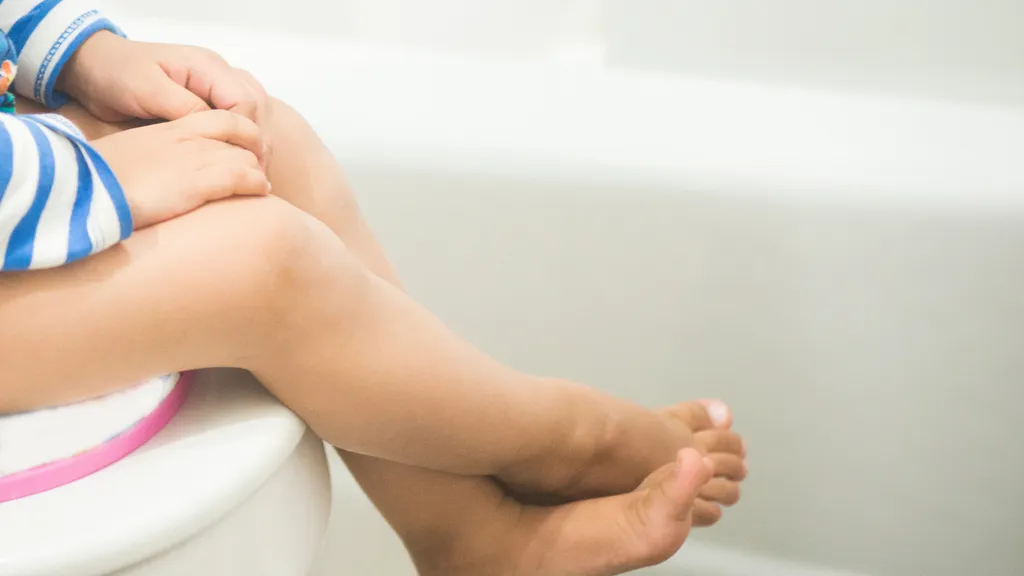
What is 3-Day Potty Training?
3-Day potty training, often referred to as the "3-day method," is an intensive technique where a child quickly learns to use the toilet or potty instead of a nappy. The method involves parents dedicating these days entirely to potty training, continuously encouraging the child, and helping them understand their body's signals.
Here's how it typically works:
- The child goes without a nappy during the day to more easily sense when they need to use the toilet.
- Parents are extra observant and remind the child to try the potty regularly.
- Accidents are accepted as part of the learning process, but the child is encouraged to try again.
- Commitment and patience from the entire family are required during these days.
The Principle Behind 3-Day Potty Training
Potty training is about a child learning to associate bodily signals with actually using the toilet. The 3-day method is based on:
- Consistency: By doing the same thing intensively for a few days, clear routines are established.
- Immediate Feedback: The child quickly learns that it feels good and is the right thing to use the potty instead of a nappy.
- Support and Encouragement: Positive reinforcement helps the child want to succeed.
Many parents appreciate this method because it is clear and time-limited, which fosters motivation and focus. At the same time, it's important to remember that all children are different, and some may need more time.
Advertisement
What Do Research and Experts Say?
Research indicates that potty training is an individual process, and children become ready at different ages, often between 18 months and 3 years. Rushing potty training too early can lead to frustration for both the child and the parents.
Experts therefore recommend:
- That the child shows signs of readiness, such as being able to follow simple instructions and showing interest in the toilet.
- That the method is adapted to the child's needs and temperament.
- That potty training is viewed as a positive and playful process, rather than a strict "mission."
This means that while 3-day potty training can work for some children, it is not a universal solution.
How to Succeed with 3-Day Potty Training
If you want to try 3-day potty training, here are some tips to increase your chances of success:
1. Choose the Right Time
Avoid stressful periods such as moving house, holidays, or when the child is unwell.
2. Prepare Yourself and the Child
Read books about potty training together, talk about what will happen, and make it exciting.
3. Have the Right Equipment at Home
A comfortable potty, preferably with fun colours or designs, and easy-to-remove clothing.
4. Be Consistent and Positive
Remind the child often and celebrate every success, no matter how small.
5. Handle Accidents Calmly
Accidents are a natural part of the process – don't get angry or disappointed.
6. Give the Child Control
Let the child choose when they want to try and encourage independence.
When Should You Abandon the 3-Day Method and Choose Another Strategy?
If 3-day potty training feels stressful or isn't working, it's perfectly fine to take a slower approach. Many families find it beneficial to potty train gradually over weeks or months.
Signs that you should try a different method:
- The child becomes stressed or fearful of the potty.
- There is little progress despite significant time and effort.
- It negatively impacts family life.
Remember that potty training is not a competition; every child learns at their own pace.
Does 3-Day Potty Training Work?
Yes, for some children, 3-day potty training can work very well, especially if the child is ready and parents can dedicate time and energy during these intensive days. For other children, the method might be too fast or stressful, and a slower, gentler approach would be better.
The key to success is to be attuned to the child's needs, have patience, and create a safe, positive environment around potty training. Good luck!

Written by Preggers
Editor

More from Preggers





Hundreds of related articles, podcasts & more waiting for you in the Preggers app.
Download Preggers today.