Potty training at age 2: Common challenges and how to handle them
Many toddlers start showing interest in potty training around the age of 2 but that doesn’t mean everything will go smoothly straight away. Setbacks, unexpected reactions, and a ton of questions are all perfectly normal. Here’s your guide to common potty training challenges at age two and how to handle them with patience (and a bit of humour!).

Read time: 3 m
Written by Preggers
Editor
Is age 2 a good time to start potty training?
That depends on your child. Some are ready earlier, others later. At around 2 years old, many children:
- Start to feel when they need to wee or poo
- Stay dry for longer periods
- Understand simple instructions
- Show interest in “doing what grown-ups do”
But even if your child is curious, that doesn’t mean everything will click immediately — potty training is a process!
Common potty training challenges at age 2 – and what you can do
1. “I don’t want to sit on the potty!”
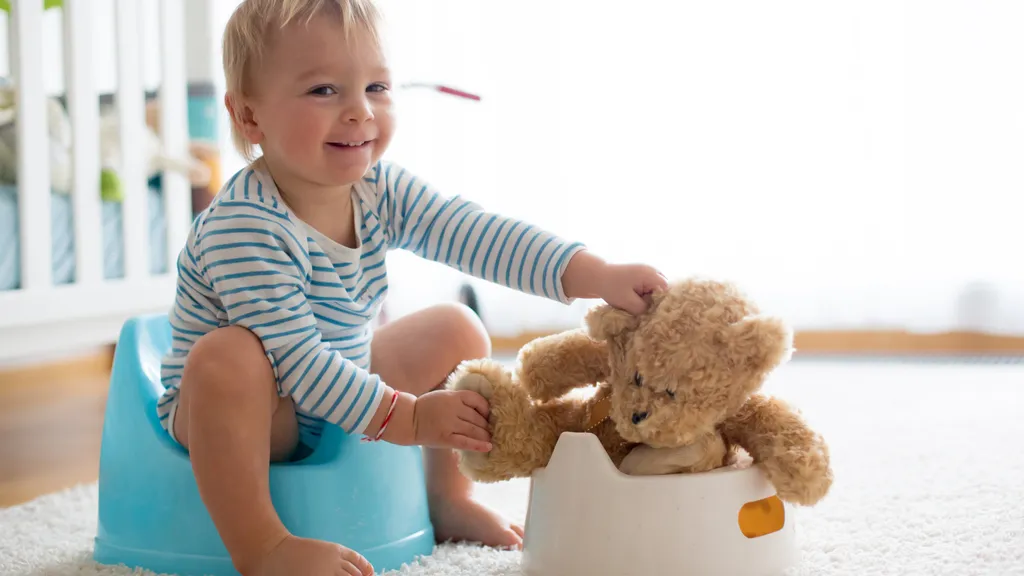
Solution: Make the potty part of the daily routine, not a pressure point. Let your child sit on it fully dressed at first, have some books nearby, or let their teddy try it out first. Sometimes just having the potty in sight is enough for their curiosity to return.
2. Constant accidents – will it ever improve?
Solution: Accidents are completely normal in the beginning. Stay calm and say, “Oops, it’s a bit wet – let’s get changed.” Offer plenty of chances to try the potty without pressure. Reward charts, praise or even a high five can be great motivators!
3. Refusing to poo on the potty or toilet
Solution: Many children find pooing without a nappy a bit scary. You can let your child poo in their nappy while sitting on the potty at first. Once they feel safe, try removing the nappy. Talk about what’s happening in the body and explain it’s all natural.
4. Only wants to wee in the nappy
Solution: Try switching to training pants or letting them go nappy-free for short periods at home. This helps them feel the urge more clearly and react in time. Encourage them to tell you when they need to go – even if they don’t always make it in time.
5. Parents losing patience
Solution: Potty training can be tough – especially when it feels like your child isn’t bothered. Remember: setbacks are normal. Take a break if things feel too intense. Potty training shouldn’t become a power struggle.
Tips to make potty training smoother:
- Make it a fun routine – like a “potty song” each morning
- Praise every attempt, not just the successes
- Keep spare clothes close by
- Read books about saying goodbye to nappies
- Think long-term – progress will come
Also read: Step by step: How to potty train your child
Written by Preggers
Editor

More from Preggers





Hundreds of related articles, podcasts & more waiting for you in the Preggers app.
Download Preggers today.