Step by Step: How to Potty Train Your Child
Starting potty training can feel like a big step, but with the right preparation and patience, it usually goes much more smoothly than expected. Here’s a clear step-by-step guide on how to potty train your child in a safe, positive, and supportive way.

Read time: 3 m
Written by Preggers
Editor

1. Prepare Your Child Mentally
Before even starting with the potty itself, it’s good to create curiosity and understanding.
- Talk about what wee and poo are, read books, or show how others do it.
- Let your child join you in the bathroom if they want.
- Let a teddy or doll “use the potty” as play.
Tip: Keep the potty visible so your child gets used to it.
2. Choose the Right Equipment
For potty training to feel safe and fun, it’s important that your child feels comfortable.
- Choose a stable potty or a toilet seat with a step.
- Have more than one if you move between rooms or homes.
- Wet wipes, spare clothes, and training pants can make things easier.
3. Pick a Good Time to Start
Potty training requires calm and time. Choose a period without major changes (e.g. moving house, starting nursery).
- Set aside a few quiet days.
- Let your child go without nappies at home to recognise the signals.
- Go to the potty regularly: after meals, naps, playtime, and before bedtime.
4. Create a Routine
Routines create security. Keep the potty in one place and do the same thing each time.
- Ask your child to sit for a short while, preferably after meals.
- Use a “potty song” or read a short book.
- Speak calmly about what’s happening and praise every attempt.
Advertisement
5. Encourage and Praise
Children need positive reinforcement even when it doesn’t go perfectly.
- Say things like “Well done for trying!” instead of focusing on the result.
- Small rewards such as stickers or high fives can motivate.
- Avoid scolding for accidents – they’re a natural part of learning.
6. Teach Hygiene at the Same Time
Make handwashing a natural ending after each try.
- Use a step stool so your child can reach the sink.
- Show how to wipe properly.
- Make it fun with their own soap, for example.
7. Track Progress with a Potty Chart
A potty chart helps both you and your child see progress. Fill it in together:
- When your child wees or poos in the potty.
- How it felt.
- Any accidents (without shame!).
Download our potty chart and put it on the fridge!
Remember
Every child is different. Some learn in a few days, others need more time. The most important thing is to follow your child’s pace and make it positive. Too stressful? Take a break and try again later.
Read also: Potty Training at Age 2 – Common Challenges and Solutions
Written by Preggers
Editor

More from Preggers




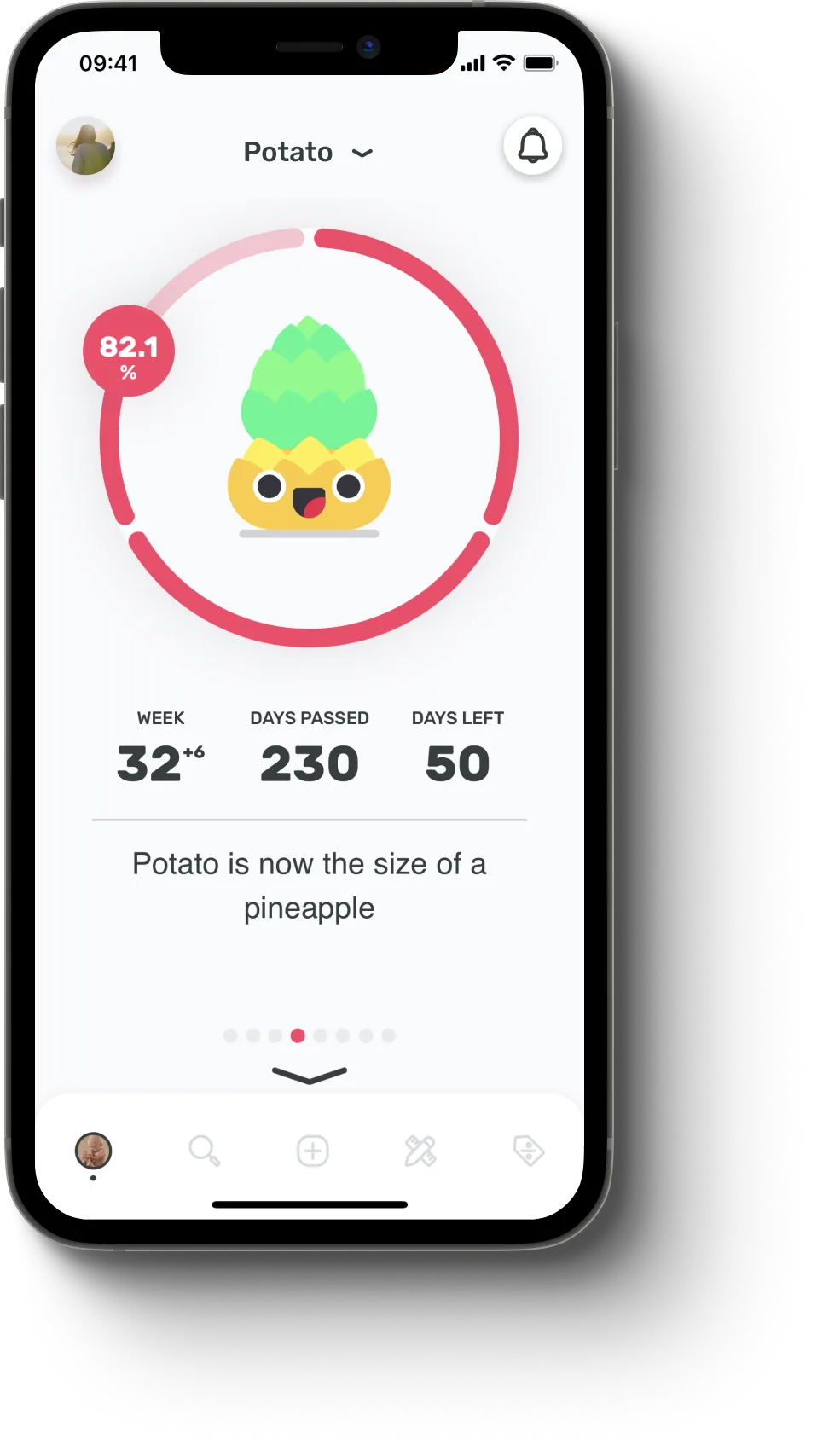
Hundreds of related articles, podcasts & more waiting for you in the Preggers app.
Download Preggers today.