When Parents Disagree – How to Find a Common Strategy at the Dinner Table
Mealtimes can quickly become a challenge when parents have differing views on children and food. Should the child try everything? Should you serve favourite dishes or stick to 'eat what's offered'? Here are some tips on how you can meet each other halfway and create a common strategy at the table, for the benefit of both the child and the family.

Read time: 3 m
Verified by Sara Ask
Licensed dietitian
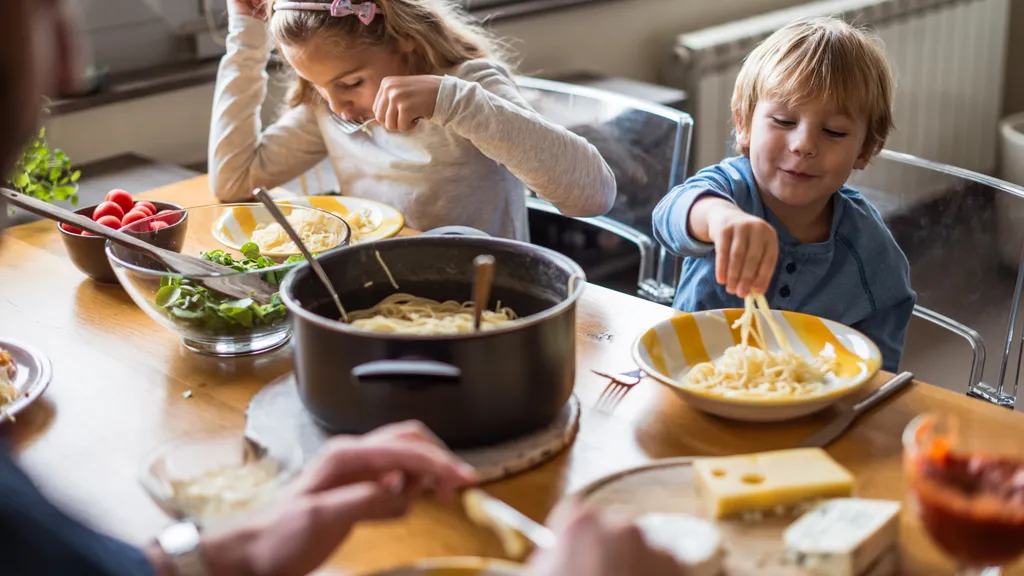
Why Parents Often Disagree About Food and Upbringing
Our eating habits are often established in childhood. Perhaps you grew up with clear rules about food, while your partner had a more relaxed environment. When two different parenting styles meet, conflicts can arise about how mealtimes should look, what demands should be made, and what food is 'right' to serve.
Heredity and Children's Different Relationship with Food
Children being picky eaters is more common than you think – and it's often hereditary. Studies show that up to 80% of pickiness can be explained by genetic factors. A child who reacts strongly to new flavours or textures may therefore be mirroring a parent's own experiences. Recognising this can increase understanding, while someone who has never had problems with food can easily become frustrated.
Advertisement
Sensory Impressions and Sensitivity – Why Food Can Be Perceived as Difficult
Children perceive flavours and textures differently. Some are extra sensitive to bitter tastes or small inconsistencies in the food, which can create resistance. This is biologically rooted and not something the child 'chooses'. Understanding this can help parents adjust expectations and reduce pressure at the table.
When Worry Takes Over – Seek Support
If you or your partner feel strong anxiety about the child's eating, it can affect the entire mealtime situation. If the worry becomes difficult to manage, it may be wise to talk to your health visitor, paediatrician, or psychologist. Sometimes the worry is justified, but often support and guidance can help you find a calmer approach.
Four Questions to Help You Find a Common Strategy
To reduce conflicts and create a safe mealtime environment, you can ask yourselves the following questions:
- With what strategy does the dinner table become a safe and pleasant place for the child, without unnecessary demands?
- Does the child have the chance to approach and explore the food at their own pace?
- Are there role models at the table that the child can emulate?
- How can stress and pressure regarding the amount of food be reduced?
These four points tend to be success factors in helping the child, at least in the long run, find joy in food and develop a positive relationship with it.
Verified by Sara Ask
Licensed dietitian

More from Preggers






Hundreds of related articles, podcasts & more waiting for you in the Preggers app.
Download Preggers today.