Weaning: Your Child's Eating Development – From Milk Drinker to Omnivore
Learning to eat is a skill, and each step is new for your child. Here, we go through your child's eating development, from newborn to 3 years old, with practical tips and advice for parents.

Read time: 3 m
Verified by Sara Ask
Licensed dietitian

0–3 months: Newborn and Milk Drinker
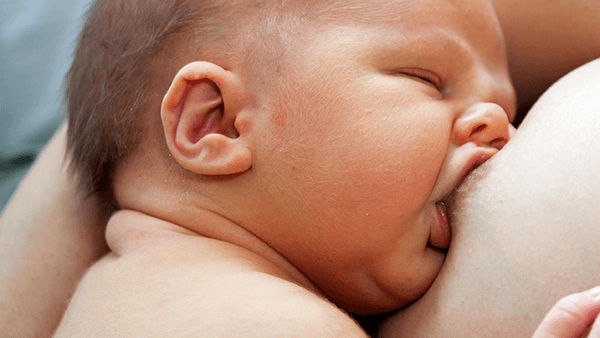
Newborns have an innate ability to suck milk and a rooting reflex that guides the baby towards the nipple.
- Sucking reflex: Movements back and forth with the tongue to get milk.
- Bite reflex: The jaws automatically close if something is placed between the front teeth (where the teeth will later appear).
Tips for parents:
- Follow the baby's hunger cues.
- Provide reassurance and time during feeding – this creates positive eating habits.
4–6 months: First Tastes
The baby slowly transitions from reflexive sucking to more volitional eating.
- Start introducing purees and small tastes.
- The tongue still works back and forth, so it's normal for the food to come back out.
Tips for parents:
- Introduce new flavours slowly.
- Accept mess and spills – it's part of the learning process.
- Try different textures, but start with smooth puree.
7–9 months: Tongue and Jaw Begin to Cooperate
The baby learns to move food from side to side and can chew against the gums even without teeth. Hand-eye coordination improves – the baby can pick up small pieces themselves.
Tips for parents:
- Offer varied textures: puree with pieces, soft vegetables or fruit.
- Continue to practice independent eating – use a spoon and cup.
- Be patient with gagging – it's perfectly normal.
Advertisement
10–12 months: Independence Increases
The baby becomes steadier in the torso, neck, and jaw, and begins to gain better control of food in the mouth.
- Can drink from a glass with practice.
- Often wants to take the initiative at mealtimes.
Tips for parents:
- Let the baby set the pace – it increases independence and enjoyment of food.
- Continue to introduce different flavours and textures.
1–2 years: Advanced Chewing
The baby's lower jaw learns rotational chewing, and the baby can bite off softer food.
- The tongue and lips are used more actively.
- The baby can lick around the mouth and pucker their lips.
Tips for parents:
- Introduce food that requires chewing.
- Continue to offer variety, even if the baby is sometimes skeptical.
- Eat together – the baby learns through observation.
2–3 years: The Omnivore Begins to Form
Most children can now eat most things, but some still don't want to try everything.
- Social skills develop in parallel with eating habits.
- Older siblings or adults are important role models at mealtimes.
Tips for parents:
- Continue to offer different dishes and textures.
- Create shared mealtime routines.
- Respect the child's wishes – coercion often creates resistance.
When Extra Support May Be Needed
Some children may need more time and training to chew, swallow, or eat a varied diet.
- If the child has difficulty with chewing, swallowing, or leakage – contact a paediatrician.
- If needed, a speech therapist or dietitian can provide advice and guidance for eating development.
Verified by Sara Ask
Licensed dietitian

More from Preggers




Hundreds of related articles, podcasts & more waiting for you in the Preggers app.
Download Preggers today.