Varicose veins during pregnancy - what you need to know
During pregnancy, it’s common to experience physical changes in your body, including varicose veins. Varicose veins occur when veins enlarge abnormally, causing swelling, discomfort, and sometimes pain. Here’s why varicose veins appear, the symptoms to watch for, and how you can relieve them.

Read time: 2 m
Verified by Jenny Jansson
Certified midwife
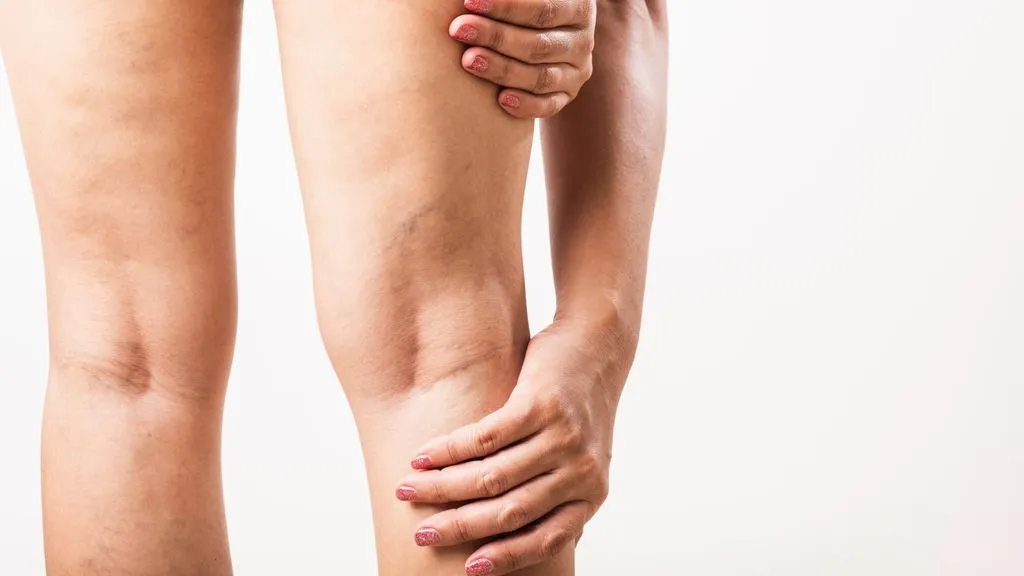
What Are Varicose Veins During Pregnancy?
Varicose veins are enlarged, twisted veins that most often appear on the legs, but they can also develop in the pelvic area, around the rectum (hemorrhoids), or elsewhere. Pregnancy hormones affect the elasticity of blood vessels and blood flow, which causes veins to expand. Genetics also play a role – if your mother had varicose veins, your risk is higher.
Common Symptoms of Varicose Veins
Varicose veins can cause several symptoms during pregnancy, such as:
- Visible bluish or dark red twisted veins on the legs
- Swelling in the legs and feet
- Itching or tingling around the veins
- Tenderness or a heavy feeling when standing or walking for long periods
- Pain that often improves when elevating the legs
Symptoms can range from mild to more bothersome, but for most women, varicose veins improve after giving birth.
Advertisement
How to Relieve Varicose Veins During Pregnancy
You can take several steps to ease discomfort:
1. Wear compression stockings
Compression stockings improve circulation and reduce swelling. Wear them daily, especially if you spend long periods standing or sitting.
2. Elevate your legs
Take breaks to lie down and raise your legs above heart level. This helps relieve pressure in the veins and reduces swelling.
3. Stay active
Walking, light exercise, or prenatal swimming can improve blood circulation and help prevent varicose veins. Avoid sitting still for long periods.
4. Cold compress or massage
A cold towel or compress on swollen areas can provide relief. Gentle massage may also help blood flow, but avoid putting strong pressure directly on the veins.
5. Avoid crossing your legs
Sitting with crossed legs for long periods can hinder blood flow.
Varicose Veins After Birth
For most women, varicose veins improve after delivery as hormone levels return to normal. Some veins may remain visible. If varicose veins are painful, very prominent, or swelling doesn’t subside after a few weeks, speak to your doctor or midwife for advice and treatment options.
Verified by Jenny Jansson
Certified midwife

More from Preggers



Hundreds of related articles, podcasts & more waiting for you in the Preggers app.
Download Preggers today.