Drinks for your baby – what and how much?
Giving your baby the right fluids can feel confusing, but it doesn't have to be difficult. Here are some practical tips on what your child can drink, when, and how much.

Read time: 3 m
Verified by Sara Ask
Licensed dietitian
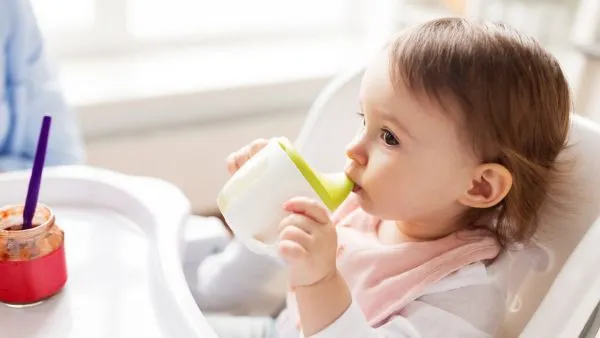
0–6 months: Breast milk or formula is sufficient
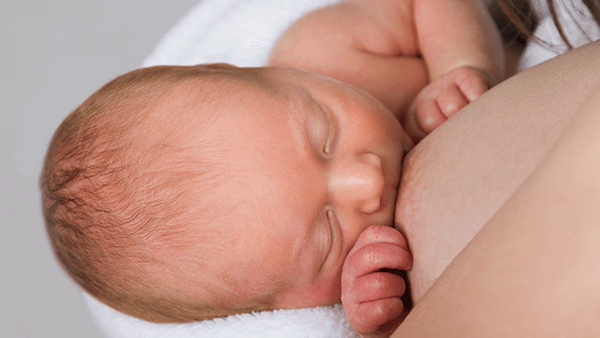
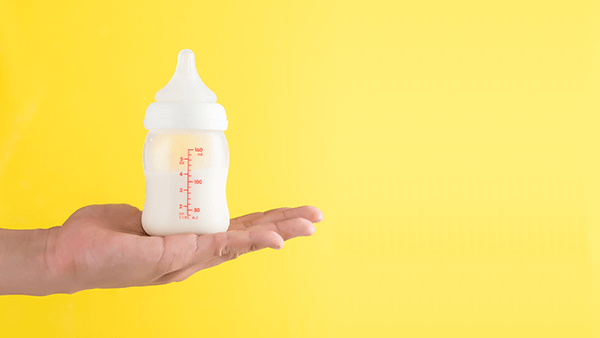
During the first six months, the baby generally only needs breast milk or formula – even on hot summer days. This provides enough fluid, nutrients, and energy.
Tip: Avoid sugary drinks, squash, and juice – these provide empty calories and can increase the risk of tooth decay.
6–10 months: Introduce water
When the baby starts eating solid food, the amount of milk decreases slightly, and it's time to introduce water.
- Start with a sippy cup – let the child practice forming their lips around the spout.
- Try different models with or without a drip guard.
- Small amounts at a time make it easier to learn without spills.
Tip: Food also contributes to fluid intake. Purees often consist of 80–90% water, as does yoghurt.
From 10 months: Small cup or glass
When the child is approaching one year old, you can try a small cup or glass without a lid.
- Pour a little liquid at a time.
- Choose glasses that don't break easily.
- Let the child practice regularly to build habit and independence.
Advertisement
How much fluid does the child need?
A healthy child often regulates their fluid intake themselves. As a guideline:
- 1-year-old: approximately 1 litre of fluid per day, including food.
- Fluid intake from food is important to consider – vegetables, fruit puree, porridge, and yoghurt contain a lot of water.
Tip: Look at the child's energy levels, mood, and nappy status – if the child is alert and urinating regularly, the fluid intake is usually sufficient.
Sugary drinks – when is it okay?
- Juice and squash should be avoided daily but can be given occasionally as a treat.
- Water is always the best thirst quencher.
Tip: Introduce the habit of drinking water early – it benefits teeth, appetite regulation, and health.
Pay attention to changes
- Babies are more sensitive to dehydration than older children, especially during illness.
- Contact healthcare if the child:
- Drinks much more than usual but is still thirsty
- Drinks less than usual and urinates little
- Is lethargic or listless
Prompt action in case of dehydration can be crucial, so do not hesitate to contact healthcare.
Verified by Sara Ask
Licensed dietitian

More from Preggers

Hundreds of related articles, podcasts & more waiting for you in the Preggers app.
Download Preggers today.