Mastitis - How to Relieve the Symptoms
Mastitis (blocked milk ducts) is a common and often painful breastfeeding complication. Knowing the symptoms, causes, and effective ways to relieve discomfort can help prevent complications and make breastfeeding easier.

Read time: 3 m
Verified by Ingela Ågren
Certified Midwife
What is Mastitis?
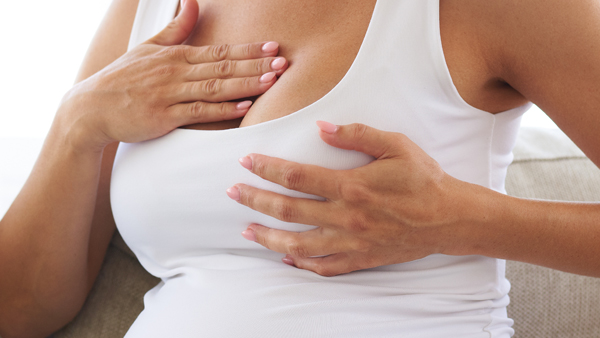
Mastitis occurs when one or more milk ducts become blocked, preventing milk from flowing normally. This can cause hard lumps in the breast and pain during breastfeeding.
Symptoms of Mastitis
Mastitis usually appears suddenly and often affects one breast only. Common symptoms include:
Hard lumps or swellings under the skin
- Pain, tenderness, and warmth in the affected area
- Fever, sometimes with chills
- General malaise with headache and muscle aches
- Pain during breastfeeding
How to Relieve Mastitis
Continue Breastfeeding Regularly
Your baby's sucking stimulates milk flow and helps unblock the ducts. Start with the breast that feels most uncomfortable, as babies usually feed most effectively at the start of a session.
Skin-to-Skin Contact and Oxytocin
Holding your baby close releases oxytocin, the hormone that promotes milk flow and helps you and your baby relax. Gentle shoulder massage or other skin contact can further boost oxytocin levels.
Check the Baby's Latch
Ensure your baby takes a good latch. Hand express a small amount of milk first to soften the nipple if necessary. Changing feeding positions, such as positioning your baby’s chin towards the blocked area, can improve milk drainage.
Advertisement
Massage and Pressure Relief
Gently stroke from the hard area toward the nipple while breastfeeding, pumping, or hand expressing. This helps relieve pressure and pain.
Heat and Cold Therapy
Heat: Take a warm shower before feeding or apply a warm compress to soften breast tissue.
Cold: Cold packs can reduce pain and swelling.
Pain Relief and Self-Care
Painkillers containing paracetamol or ibuprofen can be used if needed, and drinking and eating enough helps overall well-being.
When to Seek Medical Advice
Contact health visitors, midwives, or lactation clinics if:
- Pain does not improve with self-care
- Symptoms worsen
- You experience high fever or rapid worsening
Video consultations are also an option if a clinic visit is not possible.
Mastitis Treatment
- For severe pain, medications like ibuprofen or paracetamol may help, but always consult a doctor while breastfeeding.
- Some women find acupuncture helpful, but discuss it with a midwife or doctor first.
- In rare cases, bacterial infections may require antibiotics. Seek medical advice if fever is high or symptoms worsen.
Causes of Mastitis
Mastitis can occur due to:
- Poor latch
- Irregular breastfeeding or long gaps between feeds
- Pain during breastfeeding that inhibits milk let-down
- Improper use of feeding aids (nipples, pumps)
- Tight bras
Complications
If untreated, mastitis or cracked nipples can lead to:
- Breast infection (mastitis)
- Breast abscess
Both require medical treatment.
Verified by Ingela Ågren
Certified Midwife

More from Preggers




Hundreds of related articles, podcasts & more waiting for you in the Preggers app.
Download Preggers today.