Mastitis - How to Alleviate the Symptoms
Mastitis (blocked milk ducts) is a common and often painful breastfeeding issue. Understanding the symptoms, causes, and effective ways to ease discomfort can help prevent complications and support successful breastfeeding.

Read time: 3 m
Verified by Ingela Ågren
Certified Midwife
What is Mastitis?
Mastitis happens when one or more milk ducts get blocked, stopping milk from flowing normally. This can lead to hard lumps in the breast and pain while nursing.
Symptoms of Mastitis
Mastitis usually appears suddenly and typically affects one breast at a time. Common signs include:
- Hard lumps or swelling under the skin
- Pain, tenderness, and warmth in the affected area
- Fever, sometimes with chills
- General fatigue with headaches and body aches
- Pain during nursing
How to Relieve Mastitis
Keep Breastfeeding Frequently
Your baby’s sucking helps move milk and clear the blockage. Begin with the breast that feels most sore, as babies tend to feed more effectively at the start of a session.
Skin-to-Skin Contact and Oxytocin
Holding your baby close releases oxytocin, which promotes milk flow and helps both you and your baby relax. Gentle shoulder massage or skin-to-skin contact can further stimulate oxytocin release.
Ensure a Good Latch
Make sure your baby has a full latch. Hand express a little milk first to soften the nipple if needed. Changing positions, like placing the baby’s chin toward the affected area, can help drain milk.
Advertisement
Massage and Pressure Relief
Gently stroke from the hard area toward the nipple while breastfeeding, pumping, or hand expressing. This helps relieve pressure and discomfort.
Heat and Cold Therapy
Heat: Take a warm shower before feeding or use a warm compress to soften breast tissue.
Cold: Cold packs can help reduce pain and swelling.
Pain Relief and Self-Care
Pain relievers containing acetaminophen or ibuprofen may help, and it’s important to eat and drink enough to maintain energy and health.
When to Seek Medical Help
Contact pediatricians, lactation consultants, or midwives if:
- Pain persists despite self-care
- Symptoms worsen
- You develop high fever or rapidly worsening symptoms
Video calls with healthcare providers are also an option if visiting in person is difficult.
Mastitis Treatment
- For severe discomfort, medications like ibuprofen or acetaminophen can be used, but consult a doctor first.
- Some may benefit from acupuncture, but discuss it with a healthcare professional before trying.
- In rare cases, bacterial infections require antibiotics. Seek immediate care if you have high fever or worsening symptoms.
Causes of Mastitis
Mastitis can be caused by:
- Poor latch
- Irregular or infrequent nursing
- Pain inhibiting milk let-down
- Improper use of feeding aids (bottles, pumps)
- Tight-fitting bras
Complications
If untreated, mastitis or cracked nipples can lead to:
- Breast infection (mastitis)
- Breast abscess
Both conditions require medical treatment.
Verified by Ingela Ågren
Certified Midwife

More from Preggers





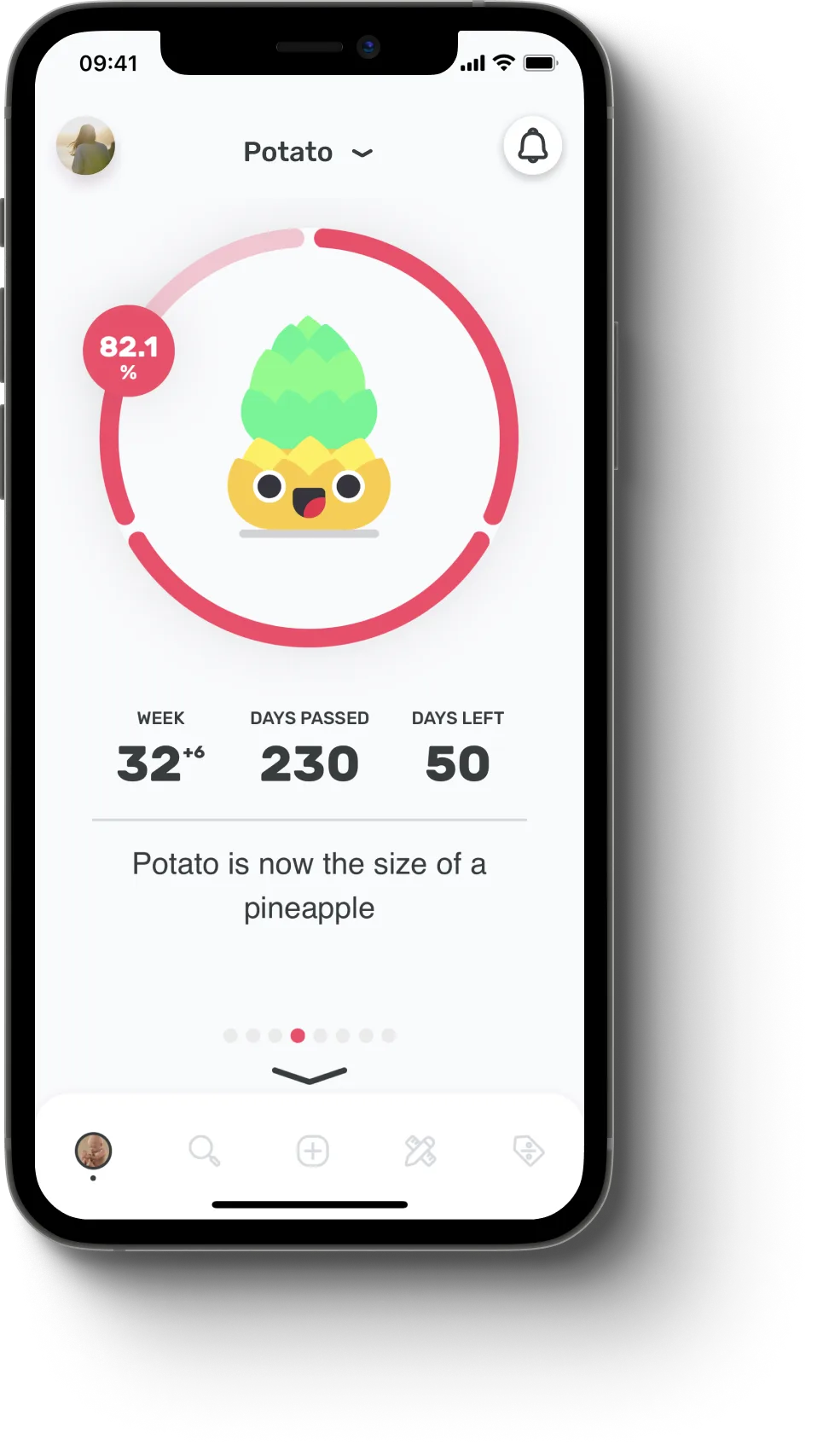
Hundreds of related articles, podcasts & more waiting for you in the Preggers app.
Download Preggers today.