Got pigment spots?
Many pregnant women notice changes in their skin during pregnancy. One of the most common changes is pigmentation spots (also called hyperpigmentation or melasma). They are completely harmless but can sometimes feel bothersome. Here you can learn why these spots appear, what you can do to reduce them, and when they usually fade.

Read time: 2 m
Verified by Jenny Jansson
Certified midwife
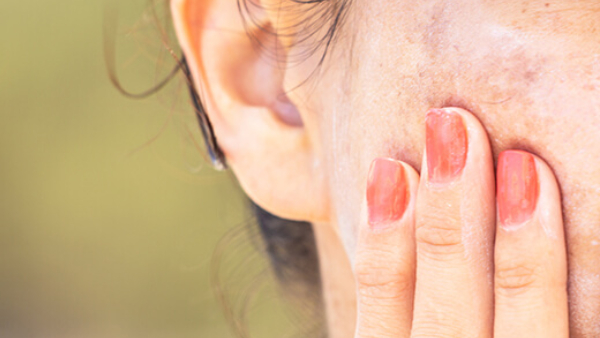
Why do pigmentation spots appear during pregnancy?
During pregnancy, your hormone balance changes. Levels of oestrogen and progesterone rise, which can affect the skin’s melanin production – the pigment that gives skin its colour. As a result, some areas may become darker than usual, especially on the face, upper lip, forehead, and cheeks. If you’ve had pigmentation changes before, these may become more visible during pregnancy.
Common questions about pigmentation spots in pregnancy
Are pigmentation spots dangerous?
No, they are completely harmless but can be cosmetically bothersome.When do pigmentation spots fade?
Usually within a few months after birth, as hormone levels stabilise.Can all pregnant women get pigmentation changes?
Yes, but the risk is higher if you have a darker skin tone or are prone to freckles.
Advertisement
How to reduce pigmentation spots during pregnancy
Protect your skin from the sun – Always use sunscreen with high SPF, even on cloudy days or in winter. Choose a day cream or foundation with built-in sun protection.
Exfoliate gently – Removing dead skin cells can make pigmentation appear lighter. Use a mild peeling 1–2 times a week or a gentle acid product suitable for pregnancy.
Choose moisturising skincare – A good cream or facial oil strengthens the skin barrier and evens out skin tone.
Make-up that conceals and protects – A tinted moisturiser, BB- or CC-cream with SPF provides both coverage and protection.
Be patient – Pigmentation spots usually fade on their own after pregnancy. For most, they improve significantly within three months after giving birth.
When should you seek help?
If pigmentation changes develop rapidly, itch, bleed, or look unusual, consult a doctor or midwife.
Verified by Jenny Jansson
Certified midwife

More from Preggers






Hundreds of related articles, podcasts & more waiting for you in the Preggers app.
Download Preggers today.