Pregnancy High Blood Pressure: Causes risks and how to prevent it
High blood pressure during pregnancy, also called hypertension, is something that needs extra attention. It can affect both you and your baby — but with the right care, nutrition, and rest, it’s often manageable.

Read time: 2 m
Verified by Jenny Jansson
Certified midwife
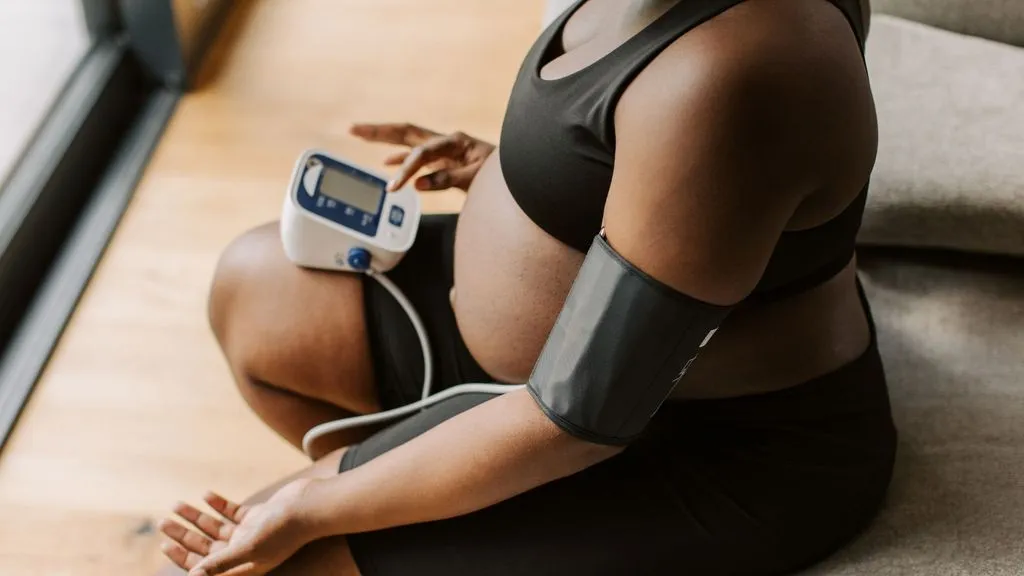
What Is High Blood Pressure During Pregnancy?
High blood pressure means that the force of blood against your artery walls is too high. During pregnancy, this can be more serious because it impacts blood flow to the placenta, which supplies your baby with oxygen and nutrients.
A common type of pregnancy-related hypertension is preeclampsia, which involves high blood pressure and protein in the urine. The exact cause isn’t fully known but is thought to be linked to issues with blood vessels in the placenta.
Common Causes and Risk Factors
You’re more likely to develop high blood pressure during pregnancy if you:
- Already have high blood pressure
- Are pregnant for the first time or with twins
- Are overweight or obese
- Have kidney disease or diabetes
- Have had preeclampsia before
Risks for You and Your Baby
If blood pressure isn’t properly managed, it can lead to complications. For the mother, it may cause kidney or liver damage and increase the risk of preterm labor.
For the baby, it can slow growth or cause low birth weight and early delivery. That’s why regular prenatal checkups are key — even if you feel fine.
How to Prevent and Manage High Blood Pressure
Here are some ways to lower your risk and stay healthy during pregnancy:
- Regular prenatal visits:
Your healthcare provider will monitor your blood pressure and check your urine for any changes. - Eat a healthy diet:
Focus on fruits, vegetables, whole grains, and lean protein. Cut down on salt and avoid overly processed foods. - Stay active:
Safe physical activity like walking, swimming, or prenatal yoga can help keep your blood pressure in check. - Manage stress:
Try relaxation methods such as deep breathing, meditation, or gentle stretching. - Follow your doctor’s advice:
If medication is prescribed, take it exactly as directed. - Get plenty of rest:
Sleep and relaxation help your body recover and reduce stress.
When to Call Your Doctor
Contact your healthcare provider if you notice:
- Sudden swelling in your hands, feet, or face
- Persistent headaches
- Vision changes or seeing flashing lights
- Pain in the upper abdomen
Verified by Jenny Jansson
Certified midwife
More from Preggers



Hundreds of related articles, podcasts & more waiting for you in the Preggers app.
Download Preggers today.