Children and Vegetables – 10 Smart Tips to Get Your Child to Eat More Vegetables
Do you want to get your child to eat more vegetables? Many parents struggle with children rejecting vegetables, even though they are full of vitamins and nutrients. Here are ten practical and proven tips that make it easier to introduce vegetables and create good eating habits from an early age.

Read time: 3 m
Verified by Sara Ask
Licensed dietitian
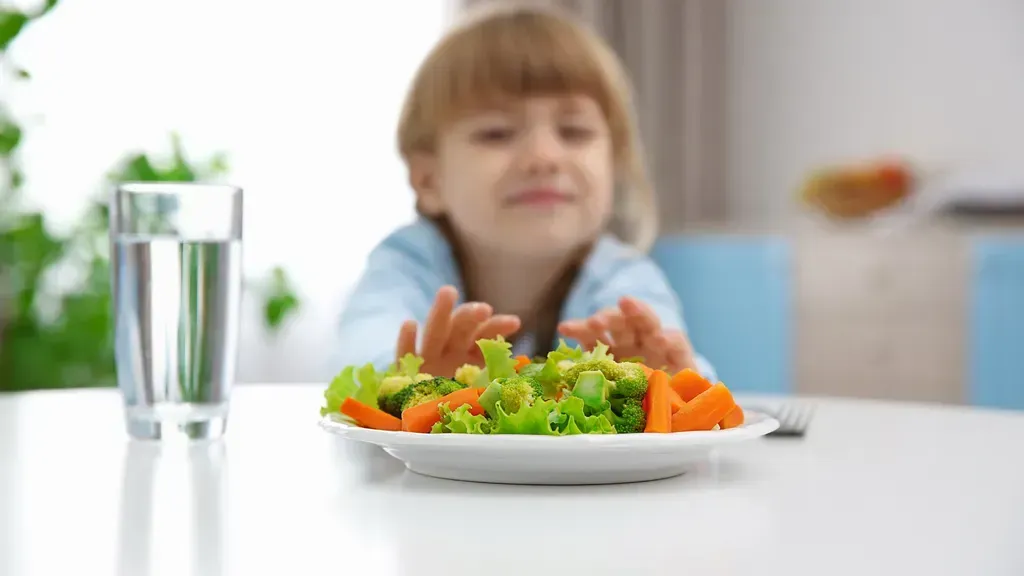
1. Start Early with Vegetables
The earlier you introduce different vegetables, the easier it is for the child to get used to new flavors. Small babies can try everything from broccoli and radishes to Brussels sprouts. The key is to offer them often, without pressure – patience wins in the long run.
2. Offer Many Tastings
Children often need more chances than adults to like new flavors. Vary the cooking methods; raw, boiled, roasted, or dipped vegetables can make a big difference. Don't give up if the child doesn't like the vegetable the first time.
3. Use the Taco Model
Let the child pick vegetables from the plate themselves. Serve them separately, and colorful carrot sticks, bell pepper rings, corn kernels, or peas are more appealing than a mixed salad.
4. Entice with Flavor Bridges
Spices and dips that the child already likes can make vegetables more tempting. Roasted vegetables with taco seasoning or carrot sticks with a mild sauce can increase appetite. Crispy vegetables also tend to be more popular than soft ones.
Advertisement
5. Mix Creamy
Vegetable soups, stew bases, and sauces can be blended smooth to make them more appetizing. Combine with familiar ingredients like pasta bows, diced sausages, or egg boats. But avoid hiding vegetables in unexpected places for picky children.
6. Utilize Sweetness
Vegetables like carrots, red bell peppers, corn, and green peas are naturally a bit sweet and often appeal to children. A little fat, such as oil or butter, can also enhance the flavor of, for example, broccoli.
7. Serve When Appetite is Greatest
Offer vegetables first, before filling foods like meatballs and pasta. A rumbling tummy can make a child more willing to try new flavors.
8. Don't Stress
Vegetables are healthy, but don't pressure the child. Children often take time to accept new flavors; you have many years to gradually introduce vegetables.
9. All Children Are Different
Children have different taste preferences and tolerance for bitter or sour flavors. Don't compare with other children; patience and variety are more important than everyone liking the same vegetables.
10. Be a Role Model
Children imitate their parents. Eat vegetables yourself and show that they are both tasty and healthy; this increases the likelihood that the child will also want to taste them.
Verified by Sara Ask
Licensed dietitian

More from Preggers





Hundreds of related articles, podcasts & more waiting for you in the Preggers app.
Download Preggers today.