Fussy Eating – More the Rule Than the Exception
Does your two-year-old suddenly reject food that they previously ate without any problems? Welcome to the neophobic phase, a completely natural part of your child's development and food journey.

Read time: 2 m
Verified by Sara Ask
Licensed dietitian
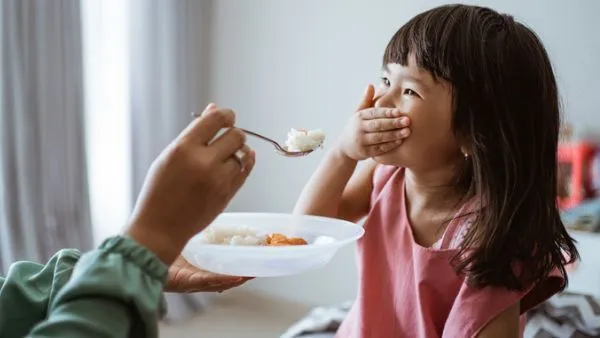
What is Neophobia in Children?
Neophobia means a fear of the new and unfamiliar – in this case, food. It doesn't have to be completely new; sometimes small changes are enough, such as a broken biscuit, pieces in the yogurt, or a pancake with a slightly uneven surface. This phase is most evident between 2 and 5 years of age, but there is a lot of variation. Some children continue to enjoy food, while others are satisfied with a severely limited menu: pasta, pancakes, nuggets, and more pasta.
Why Children Become Fussy Eaters
Temperament and heredity play a large role. Cautious and sensitive children are often more suspicious of new flavors. Children who are sensitive to sounds, light, smells, and textures experience food as more sensory input, which makes neophobia more prominent.
Neophobia is partly hereditary – if you were a fussy eater as a child, your child may have the same traits. However, the variation between siblings is significant, even within the same family.
Advertisement
Even Animals Experience Neophobia
Neophobia is not unique to humans. Baby monkeys, baby rats, and other omnivores go through the same process. It helps them learn what is edible, which protects them from dangerous food. For children, this means they often prefer food that looks and tastes the same every time.
How to Handle Neophobic Periods
1. Be Patient
All children take different amounts of time to dare to taste new things. The phase is normal and needs time.
2. Expose the Child to Different Foods
Even if the child doesn't taste it directly, it's good to show, smell, and play with the food. Serve the food separately (the taco model) so the child can eat what feels safe. The important thing is to see the big picture over weeks and months – breakfast and snacks also count.
3. Be a Role Model
Children learn by seeing others eat. Eat together as often as possible, show that the food is safe and good. Shared meals strengthen both taste habits and the relationship with the dinner table.
Verified by Sara Ask
Licensed dietitian

More from Preggers
Hundreds of related articles, podcasts & more waiting for you in the Preggers app.
Download Preggers today.