Small Children and Vegetarian Food – Can it Work?
Vegetarian food for children is becoming increasingly common. Many parents choose to give their children a fully or partially vegetarian diet. This can work really well, but it's important to keep an eye on a few nutrients to ensure the child gets everything they need to grow and develop. In this guide, we'll go through protein, iron, vitamin B12, calcium, vitamin D, iodine, and omega-3, and offer tips on the best vegetarian foods for young children.

Read time: 3 m
Verified by Sara Ask
Licensed dietitian
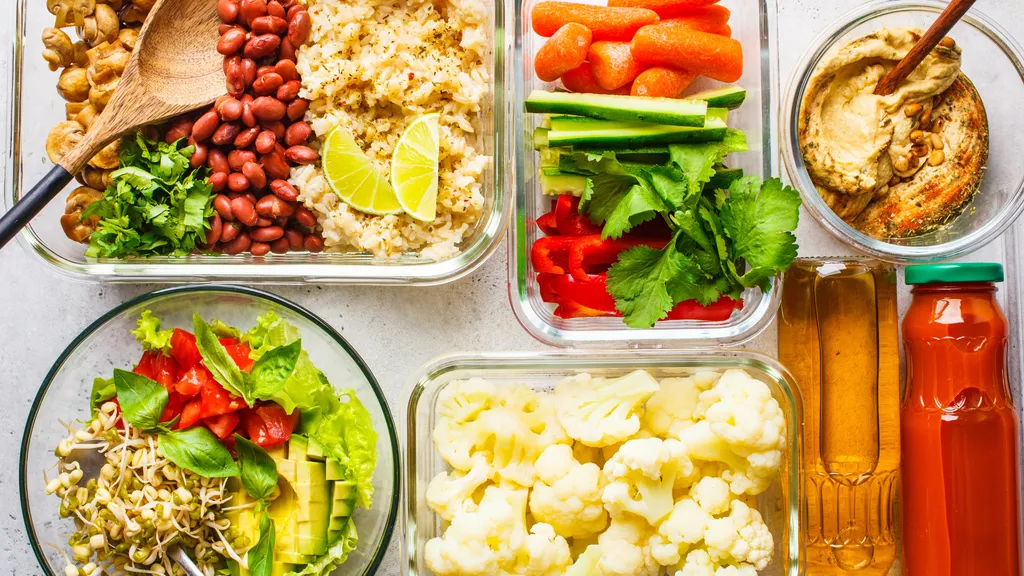
Protein – The Building Blocks for Children
Protein is the body's building blocks and is needed for everything from hormones and neurotransmitters to muscles and tissues. Many parents worry that young children won't get enough protein on a vegetarian diet, but this is usually not a problem.
Besides meat and fish, protein is also found in:
- bread, pasta, and whole grains
- legumes such as beans, lentils, and peas
- nuts and seeds
- tofu, tempeh, and vegetarian protein alternatives (soya mince, Quorn, Oumph)
- plant-based alternatives to milk and yogurt
As long as the child gets enough energy, the protein is used correctly in the body.
Advertisement
Iron – Extra Important for Young Vegetarians
Iron for children is one of the most important things to keep an eye on. Iron is needed for the blood's oxygen transport, growth, and brain development.
The problem is that the body has more difficulty absorbing iron from plant-based sources compared to meat. However, absorption is improved if you combine iron-rich food with vitamin C, for example:
- red peppers
- citrus fruits
- potatoes
Vegetarian sources of iron: legumes, nuts, seeds, dried fruit, whole grain products, and green vegetables. For young children, iron-fortified porridge or formula is a good supplement up to 2 years of age.
Vitamin B12, Calcium, and Vitamin D – Important Building Blocks
Three other important nutrients in a vegetarian diet for children are B12, calcium, and vitamin D.
- Vitamin B12 is only naturally found in animal products. Therefore, it is important to choose fortified plant-based drinks or products.
- Calcium is needed for strong bones and teeth. Make sure the plant-based milk drink you buy is fortified with calcium (around 120 mg per 100 ml). Other sources are sesame seeds, white cabbage, oranges, and legumes.
- We get vitamin D primarily through the sun, but during the winter, food and supplements are needed. Children who do not eat fish or fortified products should receive vitamin D drops (10 micrograms per day).
Iodine and Omega-3 – Often Forgotten Nutrients
- Iodine is primarily found in fish and dairy products, but young vegetarians can get enough through iodized salt.
- Omega-3 is a fatty acid that the body cannot produce itself. For children who do not eat fish, it is important to get omega-3 through rapeseed oil or algae oil (special child-adapted supplements are available).
Key Foods for Children Who Eat Vegetarian
For the child to have a balanced vegetarian diet, it is good to include the following foods:
- Legumes: beans, lentils, peas (for example, falafel, hummus, bean burgers)
- Whole grains: oats, rye, bulgur, whole-wheat pasta
- Vegetables and root vegetables
- Fruits and berries
- Dairy products or fortified plant-based alternatives
- Iron-fortified porridge (up to 2 years of age)
- Iodized salt
- Rapeseed oil or rapeseed oil-based cooking fats
Enjoy your vegetarian meal!
Verified by Sara Ask
Licensed dietitian

More from Preggers



Hundreds of related articles, podcasts & more waiting for you in the Preggers app.
Download Preggers today.